1987 Black Monday
✍ By Sarthak Jain | 🌍 India | 📅 Thu Oct 23 2025
1987 Black Monday
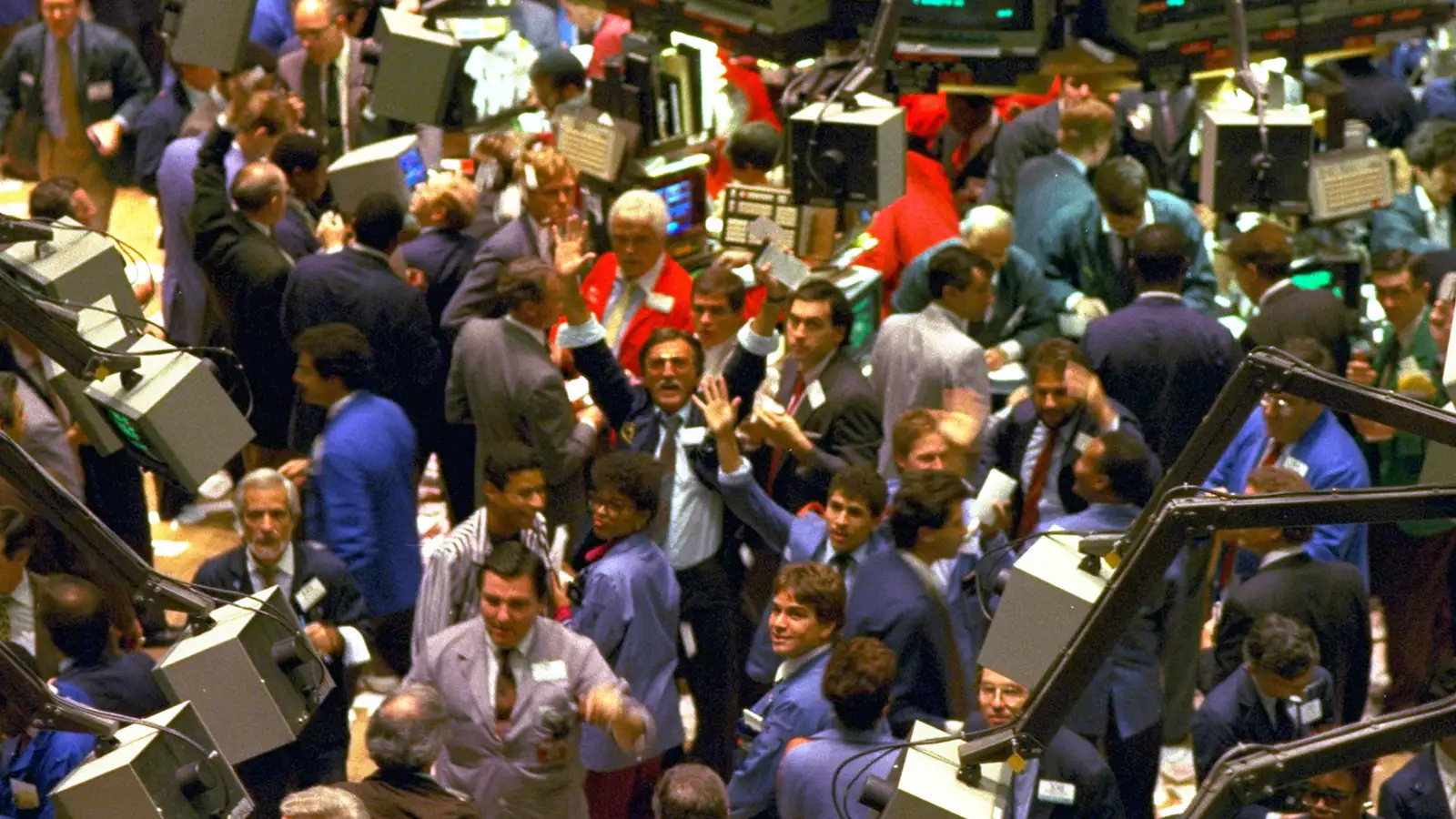
The Black Monday Crash marked the **largest single-day percentage drop in the DJIA’s history**. The crash catalyzed a broader global market drop from Hong Kong to New Zealand. The Dow Jones Industrial Average fell by 22.6 percent, largest in the index’s history. It marked the sharpest downturn in the US since the Great Depression. The stock market had raced upward in the 1st half of 1987 with DJIA gaining 44%. However, investors were far from comfortable. The US had an unexpectedly high trade deficit number. Moreover, West Germany had increased their interest and Japan considering tightening its monetary policy rate. All these compelled then US Treasury Secretary make remarks hinting that they would allow dollar to fall. Additionally, interest rates were high. All these factors dampened investor confidence. And the rapid rise of the broader stock market added to the fear. Investors anticipated a correction which caused large sell offs for the previous few weeks. During weekends, even though the US markets were closed, algorithmic indicators pointed towards selling. Algorithmic trading was in its infancy, and there were no regulations to control the volatility caused by these computer-driven trades. Asian markets opened to an absolute pandemonium. The opening bell began the crash of Nikkei and Hang Seng. Investors rushed to sell, triggering widespread panic. Such high selling operations with very low buying operations reduced trading firm’s cash reserves. Asian markets basically gave a trailer of the absolute chaos America was going to face the next day. This brings us to the ill-fated Black Monday. All major indices crashed with DJIA falling 508 points. Tens of billions of dollars of investors money was wiped out. The crash was exacerbated by many factors. One of which is Portfolio Insurance. It’s a hedging technique in which investor sells when stock falls. This accelerated the fall as there were no checks in place for such activities. Now, because of the huge difference between buying and selling prices, the cash reserves of trading firms were dangerously low, which could result in their insolvency. This liquidity crisis was further deepened by the margin calls issued by these firms to investors. Since investors had lost their money, they couldn’t repay the loans taken from these trading firms in the form of **margin debt.** The Federal Reserve was quick to respond to this by releasing liquidity into the banks so that the trading firms would take up loan from the banks. This had a calming effect upon the markets thus reducing the volatility. And just after 2 trading sessions, DJIA had gained 288 points and 2 years later the markets surpassed their pre-crash high. Other markets ,however, were not so lucky. Hong Kong, in 1987 was extremely speculative as the market was full of inexperienced traders. It also consisted of many uninformed investors. Hence it was one of the most heavily traded market in the world. Moreover, the trading checks that were in place were effective, however, they were broken regularly. The market dropped 45% in over 6 trading days. Hence the crash was more severe in case of Hong Kong. The 1987 Black Monday crash was a turning point in financial history, highlighting the dangers of unregulated algorithmic trading, excessive leverage, and inadequate market safeguards. While the Federal Reserve’s swift intervention helped stabilize the U.S. markets, many other economies, particularly Hong Kong, struggled to recover for months. In the aftermath, financial regulators introduced circuit breakers and trading curbs to prevent a similar collapse. Despite its severity, the crash did not lead to a prolonged economic recession, and within two years, markets had surpassed their pre-crash highs. Black Monday remains a cautionary tale of how rapid market growth, investor panic, and unchecked trading mechanisms can trigger financial chaos in an instant.
📖 More Articles


Jabong’s Fade-Out: A Cautionary Tale in Indian E-commerce
✍ Sarthak Jain
Story of Takeoff to Turbulence
✍ Sarthak Jain

CCD’s Quiet Retreat
✍ Sarthak Jain
Why Dazo Couldn’t Scale: A Case Study in Food-Tech Fragility
✍ Sarthak Jain⭐ Reviews
✨ Be the first one to add a review!